Source Sun Proof Beanie and Scarf Set for Outdoor Work, Sports, and Daily Commute
Compare 30 verified listings for sun proof beanie and scarf set options featuring knit materials, winter warmth, and customizable sizes. Buyers can evaluate specifications like weight, packing, and lead times from multiple manufacturers in China.
Key considerations
Products List


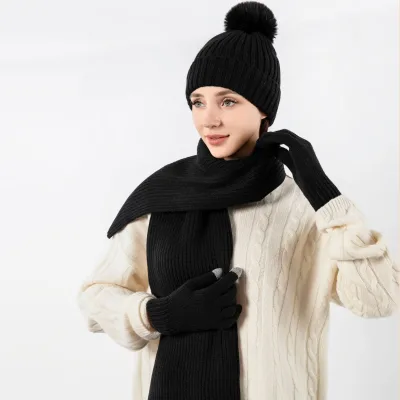
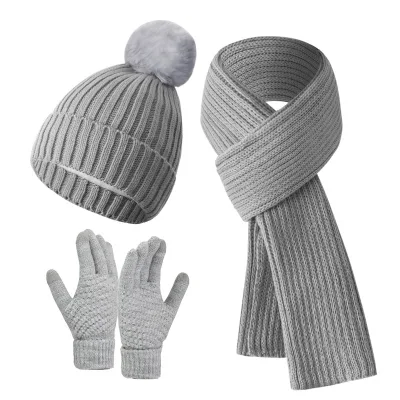
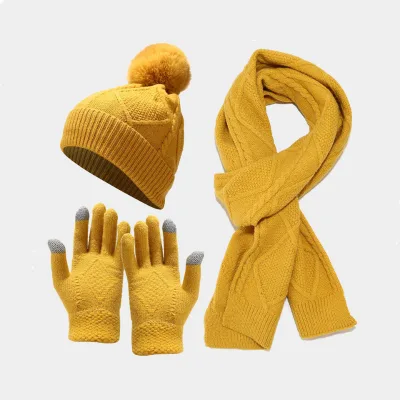


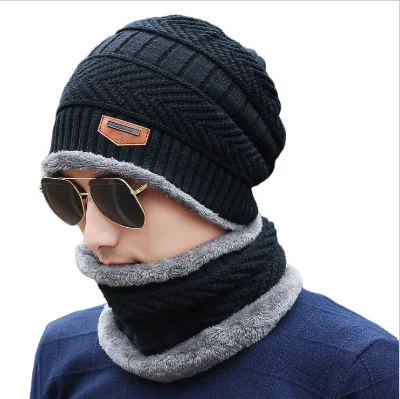


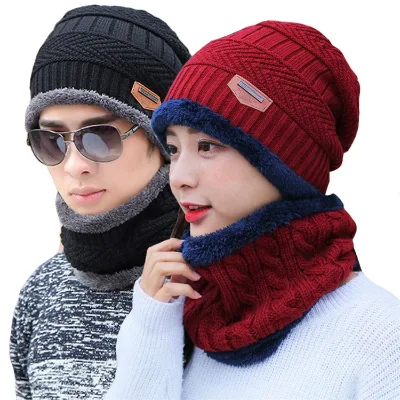


Comprehensive Sourcing Guide
Strategic Sourcing Guide for Sun-Proof Beanie and Scarf Sets
Procuring sun-protective headwear and scarf combinations requires a nuanced understanding of material science, manufacturing capabilities, and supply chain logistics. While the core keyword suggests a specific functional requirement, the available market data reveals a diverse landscape of winter accessories, ranging from basic knit beanies to specialized sets. Buyers must navigate this complexity by distinguishing between general winter warmth and specific UV protection capabilities. This guide provides a structured approach to evaluating suppliers, verifying technical specifications, and ensuring product quality without relying on unverified claims.
Understanding Product Attributes and Functional Claims
The primary challenge in sourcing "sun-proof" beanies and scarves lies in the distinction between thermal insulation and ultraviolet (UV) protection. The observed product data indicates a strong prevalence of winter-specific items, with attributes such as "Season: Winter" and "Feature: Warm Keeping" appearing frequently. However, the term "sun-proof" implies a specific fabric density or treatment that blocks UV radiation, which is not explicitly confirmed in the general product listings provided.
Buyers must carefully scrutinize the "Material" and "Fabric Feature" attributes. The data shows materials like "Knit" and "100% Acrylic" are common. While acrylic is a popular choice for winter wear due to its softness and warmth, it does not inherently guarantee sun protection unless treated or woven with specific tightness. The "Fabric Feature: Common" noted in some listings suggests standard construction, which may lack the specialized density required for high UPF (Ultraviolet Protection Factor) ratings.
Furthermore, the "Style" attribute varies significantly, including "Plain Dyed," "Striped," and "Dobby." A "Plain Dyed" construction might offer more consistent coverage, whereas complex patterns like "Dobby" could introduce weave variations that affect UV blocking efficiency. Buyers should verify if the "Pattern" is merely aesthetic or if it correlates with a tighter weave structure necessary for sun protection. The "Color: Colourful" observation also warrants attention, as darker dyes often absorb more UV radiation than lighter shades, though this depends on the specific dye chemistry used.
Technical Specifications and Size Standardization
Technical specifications are critical for ensuring the product fits the intended demographic and performs as expected. The data presents a mix of standard and custom sizing options. Some listings specify "Size: One-Size" with a standard of "54-58cm," while others offer "Custom Size" or specific ranges like "48-54" and "56-60cm." For a sun-proof set, the fit is essential; a loose beanie may allow UV rays to penetrate the fabric from the sides, while a tight fit ensures full coverage.
The "Crown" attribute is another vital technical differentiator. The data includes both "With Crown" and "Without Crown" options. A beanie with a crown typically offers better structural integrity and coverage for the top of the head, which is a primary target for sun exposure. Conversely, "Without Crown" designs, often resembling ear warmers or skull caps, may leave the crown exposed unless the scarf component provides additional coverage.
Weight is another observable specification that can indicate fabric density. The observed weights range from 55g to 160g. A heavier fabric, such as the 160g option, likely has a denser knit, which could correlate with better sun-blocking capabilities compared to lighter 55g variants. However, weight alone is not a definitive metric for UV protection; the buyer must request specific fabric density data or UPF test results to confirm performance.
| Attribute Category | Observed Variations | Sourcing Implication |
|---|---|---|
| Size Standard | One-Size (54-58cm), Custom, 48-54cm, 56-60cm | Verify fit for target market; custom sizes may increase MOQ. |
| Crown Structure | With Crown, Without Crown | "With Crown" preferred for full head coverage. |
| Material | Knit, 100% Acrylic | Verify weave tightness for UV blocking; acrylic is standard. |
| Weight | 55g, 70g, 110g, 160g | Heavier weights often indicate denser fabric for better protection. |
| Style | Plain Dyed, Striped, Dobby | Plain dyes may offer more consistent coverage than complex weaves. |
Compliance, Certification, and Performance Verification
A critical gap in the current product data is the absence of explicit certification details regarding sun protection. While the data lists "Standard: 54-58cm" and "Standard: OS," these refer to sizing standards rather than performance certifications. Buyers cannot assume that a product labeled "Winter Hat" or "Beanie" meets international sun protection standards without verification.
In the B2B context, compliance for sun-protective clothing typically involves adherence to standards such as AS/NZS 4399, ASTM D6603, or EN 13738. These standards define the UPF rating required for a garment to be marketed as sun-proof. The provided data mentions "Standard: 604045" in a packing context, which is irrelevant to fabric performance. Therefore, buyers must explicitly request test reports from suppliers.
The "Feature: Fashion, Warm Keeping" attribute highlights the dual nature of these products. While warmth is a verified attribute in the data, sun protection is an unverified claim. Buyers should treat "sun-proof" as a requirement to be proven, not an inherent feature. Suppliers may claim "Fashion" and "Warm Keeping," but without a specific UPF rating (e.g., UPF 50+), the product may not meet the buyer's functional needs. It is essential to ask for third-party laboratory test results that specifically measure UV transmission through the fabric.
Cost Drivers and Pricing Dynamics
The observed price range of 0.98 to 8.46 USD reflects a wide spectrum of product quality and complexity. The lower end of the range likely corresponds to basic, lightweight knit beanies with minimal features, while the higher end may include heavier fabrics, custom packaging, or more complex designs like the "Women Tuban Head Wear" or "Beanie Winter Hat Scarf 2020" sets.
Several factors drive these costs. First, the "Material" composition is a primary driver. "100% Acrylic" is a standard cost-effective material, but specialized blends or treated fabrics for sun protection may command a premium. Second, the "Customization" availability allows for branding and design changes, which can increase unit costs depending on the complexity of the pattern or the "Style" selected.
The "MOQ" (Minimum Order Quantity) also significantly impacts the effective cost per unit. The observed MOQ range is 2 to 1000 units. For buyers seeking high-quality, sun-proof sets, a higher MOQ might be necessary to secure a lower unit price or to justify the cost of custom tooling and fabric treatment. The "MOQ: Depends, If We Have Stock, 100PCS" note suggests that stock availability can lower the barrier to entry, but custom orders may require larger volumes.
Additionally, packaging costs contribute to the final price. The data lists "Polybag, Carton Box" and "OPP Bag/PC, Carton Outside" as common packing methods. More robust packaging, required for premium products, will increase the overall cost. Buyers should balance the need for protective packaging with the budget constraints, ensuring that the "Product Origin" and "Location" (e.g., China, Yiwu Zhejiang) are factored into the logistics cost calculations.
Supplier Evaluation and Operational Capabilities
Evaluating suppliers requires a focus on their operational flexibility and reliability. The data indicates a "Sample Time" of 3 to 5 days and a "Lead Time" of 15 to 20 days, with some variations like "Production Time: 5-15 days" and "Delivery Time: 7-15 Working Days." These timelines suggest a relatively agile supply chain, capable of handling small to medium orders efficiently.
However, the "Brand: Sn Beanie Hat" and various model numbers (e.g., SNTA-1208B, JE-085, SNJJ20080701) indicate that suppliers often operate with multiple product lines. Buyers should verify if the supplier has specific expertise in sun-protective textiles or if they are general winter wear manufacturers. The "prod_origin: China" and "prod_origin: Yiwu Zhejiang" locations are hubs for textile manufacturing, but the specific factory capabilities must be confirmed.
The "Customization: Available" attribute is a strong indicator of supplier flexibility. Buyers should assess the supplier's ability to handle custom sizes, colors, and designs without compromising quality. The "Sample Time" of 3 days is particularly attractive for rapid prototyping, allowing buyers to test the sun-proof claims before committing to a large order.
Quality Control and Long-Term Procurement
Quality control is paramount when sourcing functional apparel. Given the variation in "Weight" and "Material," buyers must establish clear acceptance criteria. A consistent weight, such as the 110g or 160g options, might be a good baseline for ensuring fabric density. However, visual inspection alone is insufficient; buyers should implement a quality control plan that includes random sampling for fabric thickness and UV transmission testing.
Long-term procurement considerations involve building a relationship with suppliers who can maintain consistency. The "Lead Time" of 15-20 days is a standard benchmark, but buyers should negotiate terms that account for potential delays, especially during peak seasons. The "Production Time: 5-15 days" suggests that production speed can vary, and buyers should clarify the specific timeline for their order.
Furthermore, the "Usage: Keeping Warm" attribute highlights the primary function of these products. While sun protection is the target keyword, the core utility remains warmth. Buyers should ensure that the sun-proof treatment does not compromise the thermal properties of the fabric. A balanced approach that delivers both warmth and UV protection is essential for customer satisfaction.
In conclusion, sourcing sun-proof beanie and scarf sets requires a meticulous approach to verifying technical claims, understanding cost drivers, and evaluating supplier capabilities. By focusing on material density, weave structure, and independent testing, buyers can navigate the market effectively and secure products that meet their specific functional requirements. The observed data provides a foundation for understanding the market landscape, but the final decision must be based on rigorous verification of performance standards and supplier reliability.
FAQs
Can I find sun proof beanie and scarf sets with custom sizes?
Yes, custom sizes are available for these winter accessories. The product listings show options like One-Size 54-58cm and specific ranges such as 48-54cm or 56-60cm, allowing buyers to select dimensions that fit their target demographic effectively.
What material options exist for sun proof beanies and scarves?
Common materials include Knit and 100% Acrylic fabrics. While these provide warmth, buyers must verify weave density for sun protection since standard features like Dobby or Plain Dyed patterns do not inherently guarantee UV blocking without specific testing.
How long does production take for custom orders?
Production typically requires 15 to 20 days for standard orders. Some suppliers offer faster production times of 5 to 15 days, with sample times ranging from 3 to 5 days, depending on stock availability and customization complexity.
Which certifications confirm sun protection capabilities for these sets?
The provided data does not list specific sun protection certifications like UPF ratings. Buyers must explicitly request third-party test reports to verify UV blocking, as standard listings only confirm features like Warm Keeping and Fashion without performance guarantees.
What is the minimum order quantity for these winter hats?
Minimum order quantities range from 2 to 1000 units depending on the supplier. Stock availability can lower the barrier to 100 pieces, while custom orders may require higher volumes to justify production costs and tooling.
Can I source these sets from factories in Yiwu Zhejiang?
Yes, products originate from locations including China and specifically Yiwu Zhejiang. Buyers can filter for suppliers in this region to leverage local textile manufacturing capabilities while ensuring consistent quality and logistics for their winter accessory orders.